Understanding Salmonella: What It Is and How to Prevent Infection
- Vielea Organics
- Jan 24
- 3 min read
Salmonella infections affect millions of people worldwide every year, causing illness that ranges from mild discomfort to severe health complications. Knowing what is salmonella, the dangers it poses, and how to avoid infection can protect you and your loved ones. This post explains the basics of salmonella, highlights the risks, and offers practical steps to stay safe.

What Is Salmonella?
Salmonella is a type of bacteria that causes foodborne illness, often called salmonellosis. It lives in the intestines of animals and humans and spreads through contaminated food or water. The bacteria can survive on raw or undercooked foods, especially poultry, eggs, meat, and sometimes fresh produce.
When someone ingests food or water contaminated with salmonella, the bacteria multiply in the intestines and cause symptoms such as:
Diarrhea
Fever
Stomach cramps
Nausea and vomiting
Symptoms usually appear 6 to 72 hours after exposure and last about 4 to 7 days. While most people recover without treatment, salmonella dangers increase for young children, older adults, pregnant women, and people with weakened immune systems. In severe cases, the infection can spread beyond the intestines and cause life-threatening complications.
How Salmonella Spreads
Understanding how salmonella spreads helps prevent infection. The bacteria mainly enter the body through:
Eating raw or undercooked animal products like chicken, beef, eggs, or seafood
Consuming contaminated fruits and vegetables that were not washed properly
Drinking contaminated water
Contact with infected animals, especially reptiles, birds, and amphibians
Cross-contamination in the kitchen, such as using the same cutting board for raw meat and vegetables without cleaning
Salmonella can survive on surfaces for hours or even days, making hygiene critical in food preparation.
Salmonella Dangers to Be Aware Of
Salmonella dangers go beyond common stomach upset. Some risks include:
Severe dehydration from prolonged diarrhea
Bloodstream infections if bacteria enter the blood, requiring hospitalization
Reactive arthritis, a joint condition triggered by infection
Death, in rare cases, especially in vulnerable groups
Outbreaks linked to contaminated food products have caused thousands of illnesses globally. For example, a 2018 outbreak in the United States linked to contaminated eggs sickened over 200 people and led to multiple recalls.
How to Avoid Salmonella Infection
Preventing salmonella infection requires careful food handling and hygiene. Here are effective ways to reduce your risk:
1. Cook Food Thoroughly
Use a food thermometer to ensure poultry reaches at least 165°F (74°C)
Cook ground meats to 160°F (71°C)
Avoid eating raw or undercooked eggs, meat, or seafood
2. Practice Good Kitchen Hygiene
Wash hands with soap and water before and after handling raw food
Clean cutting boards, utensils, and countertops with hot soapy water after contact with raw meat
Use separate cutting boards for raw meat and fresh produce
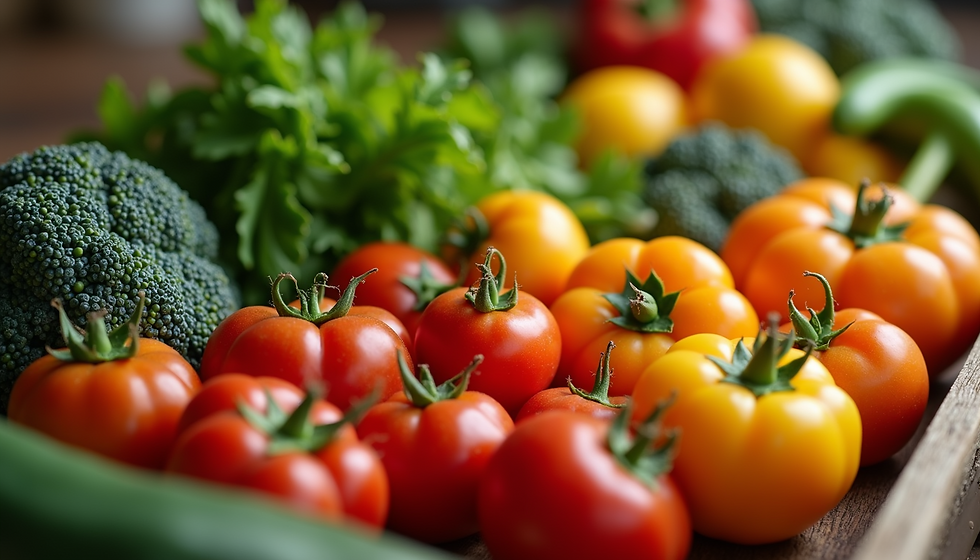
3. Wash Fruits and Vegetables
Rinse fresh produce under running water before eating or cooking
Avoid using soap or bleach on produce, as these are unsafe for consumption
4. Store Food Safely
Refrigerate perishable foods promptly, within 2 hours of cooking or purchasing
Keep raw meat separate from other foods in the fridge to prevent cross-contamination
5. Be Careful with Water and Animals
Drink treated or bottled water, especially when traveling
Wash hands after touching pets, especially reptiles or birds, which can carry salmonella

What to Do If You Suspect Salmonella Infection
If you experience symptoms like diarrhea, fever, and stomach cramps after eating, consider the possibility of salmonella infection. Most cases resolve without medical treatment, but you should:
Stay hydrated by drinking plenty of fluids
Avoid anti-diarrheal medications unless advised by a doctor
Seek medical care if symptoms worsen, last more than a week, or if you belong to a high-risk group
Doctors may perform stool tests to confirm salmonella and provide supportive care or antibiotics if necessary.
Final Thoughts on Salmonella Dangers and Prevention
Salmonella is preventable is you follow the advice given above and maintain a clean environment during food prep and handling- Keep Safe.


Comments